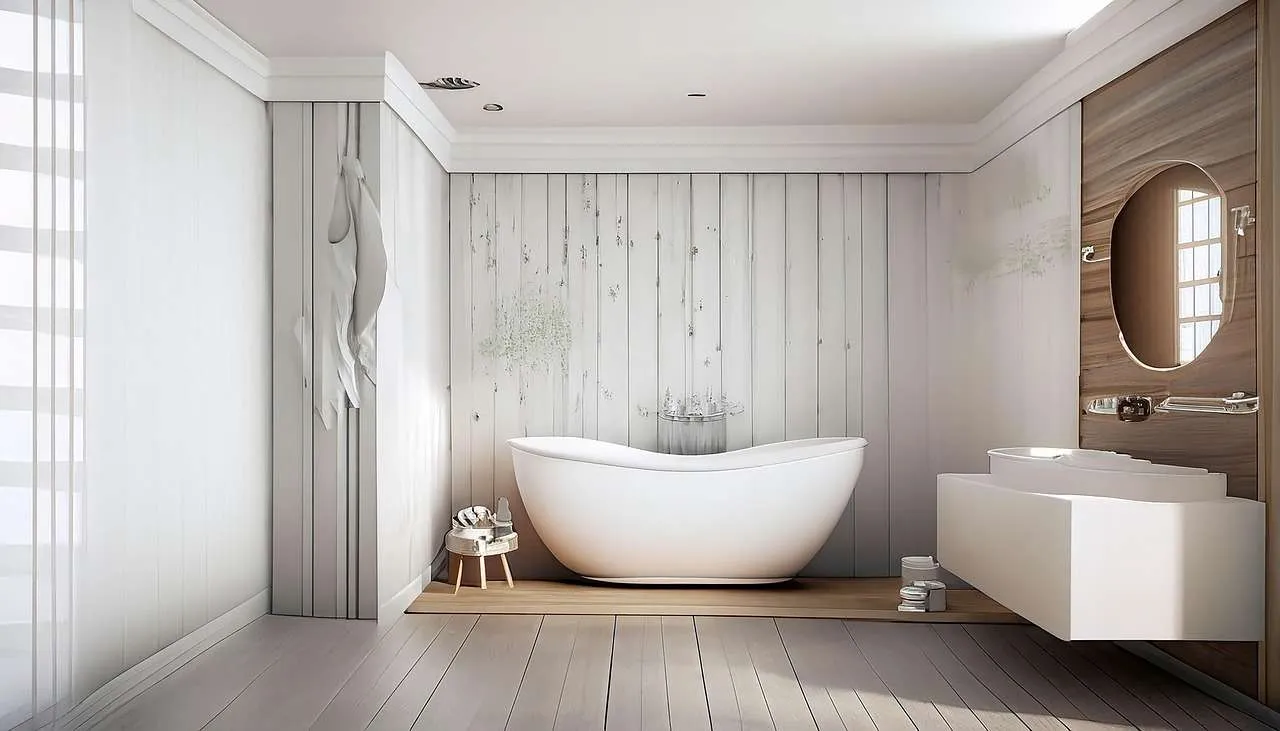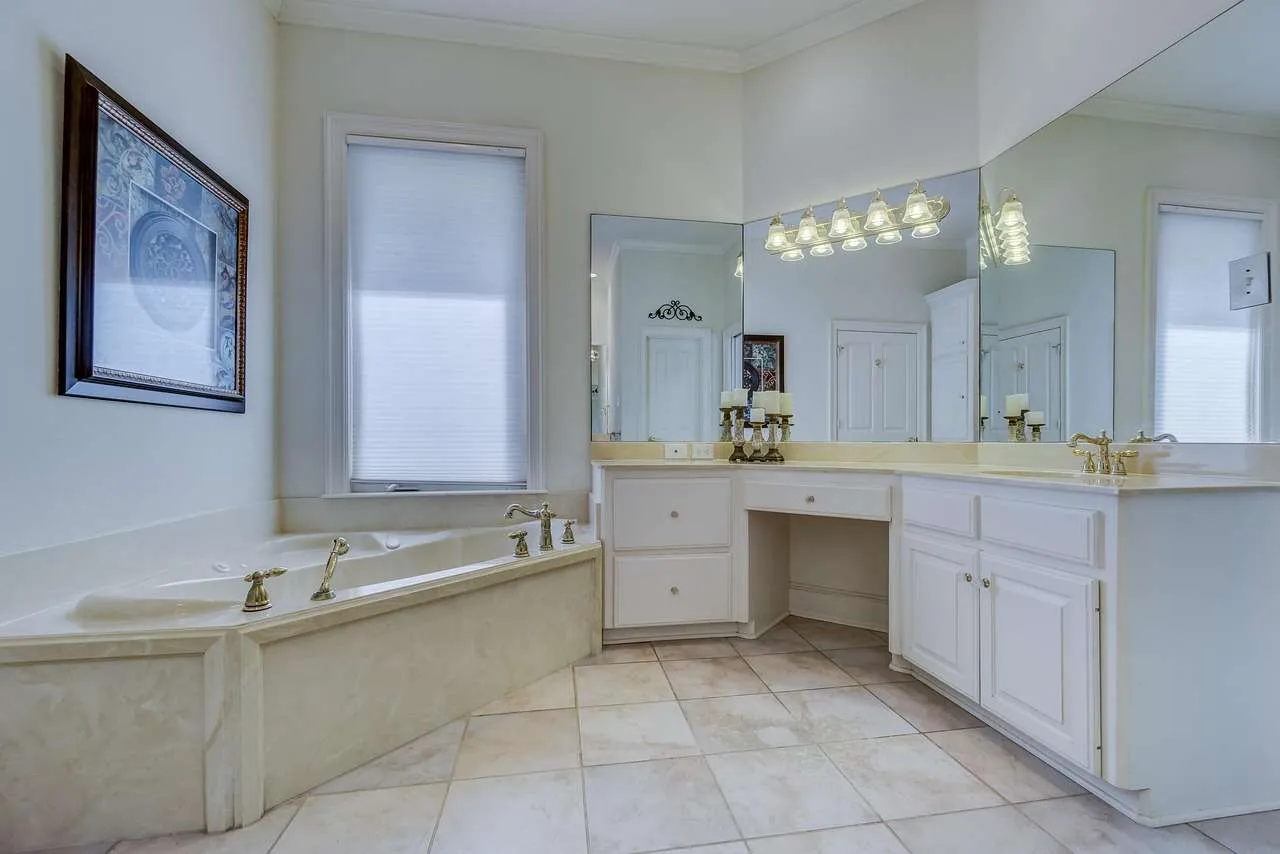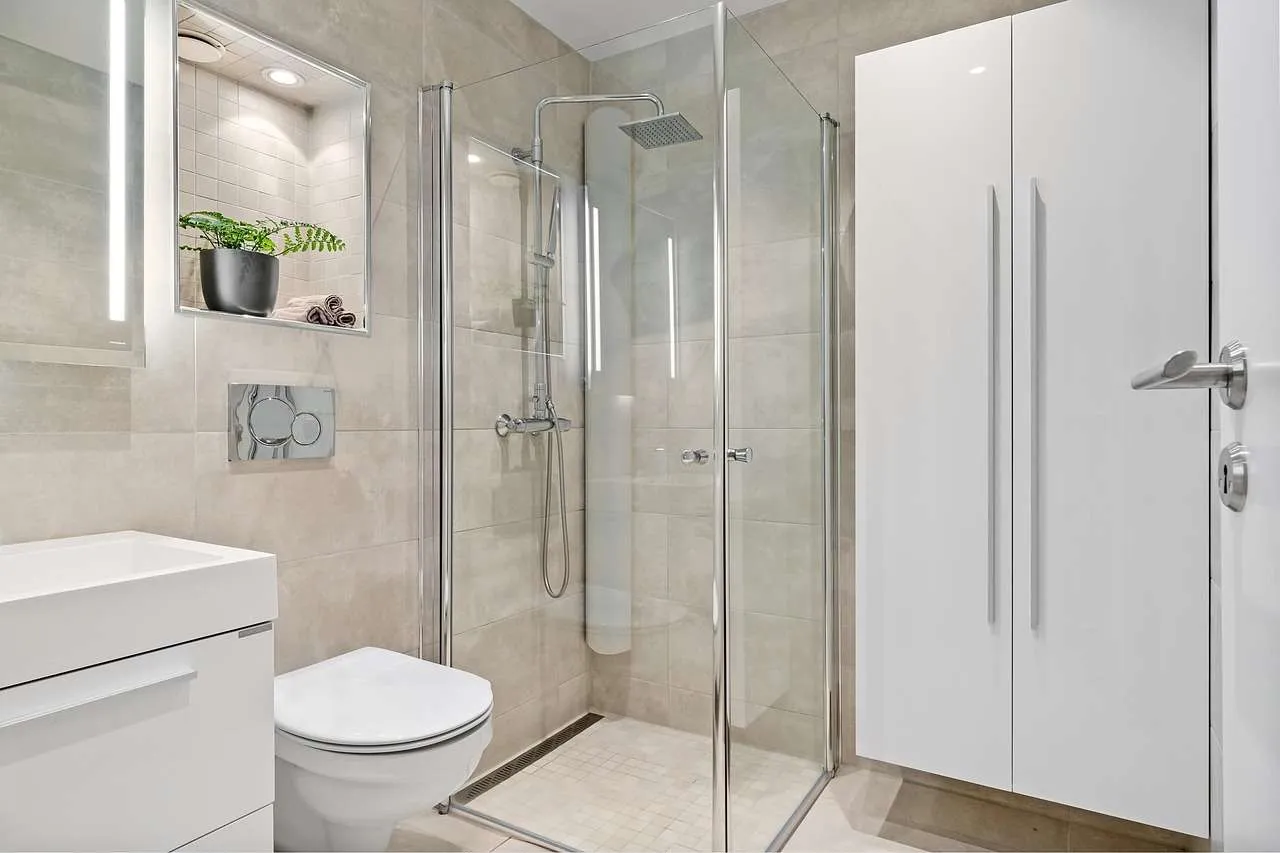
Choosing bathroom tile is one of the most influential decisions in a bathroom remodel. The right tile combines moisture resistance, slip safety, and aesthetic appeal, while staying within budget. This guide provides experienced, expert guidance on selecting bathroom tile, with practical tips for maintenance and installation. By focusing on credible sources and best practices, you can trust the advice to support durable, beautiful results.
Types of bathroom tile
Ceramic tile
Ceramic tile is baked clay with a glaze that adds color and water resistance. It is lightweight, affordable, and easy to install on walls and back splashes. For floors, look for a rectified edge or through body ceramic with a higher PEI rating to ensure good wear. A wide selection of patterns makes ceramic a versatile choice for contemporary bathrooms.
Porcelain tile
Porcelain is a dense, low porosity tile that performs well in floors and shower surrounds. It resists moisture, stains, and abrasion, and can be used in large format sheets for a nearly seamless look. Porcelain tiles are available in many finishes and can mimic natural stone or wood, offering durability without sacrificing style.
Natural stone tile
Stone such as marble, travertine, or granite provides a luxurious, timeless look. Stone requires sealing and regular maintenance to protect against water and oil stains. In wet zones, honed finishes reduce glare and slipperiness. Expect higher cost and more upkeep, but a distinct, high end feel.
Glass and decorative tile
Glass tiles add sparkle and light reflection, and glass mosaics create striking shower niches or backsplashes. They are non porous and easy to clean, but can be slippery on floors and may require professional cutting. Use glass as accents rather than large floor areas to balance durability with style.
Key considerations when choosing bathroom tile
Moisture control is essential. Choose tiles with low water absorption and non slip finishes for floors. Consider tile size and layout: larger formats create a sleek, open feel while smaller mosaics work well in niches and shower floors. Color and finish influence maintenance; matte finishes hide water spots better than gloss. Grout choice matters: epoxy grout resists stains in wet zones, while cementitious grout with a sealant offers cost effectiveness. Plan for expansion joints and waterproofing for long term durability.
Installation basics and maintenance
Proper installation is critical for a durable bathroom tile project. Start with a stable substrate, a waterproof membrane in wet areas, and a suitable thinset mortar for your tile type. Allow for expansion joints and professional grading to prevent cracking. Grout selection affects upkeep; epoxy grout reduces staining but requires careful tooling, while cementitious grout is easier to work with and sealing improves longevity. Maintenance tips include regular cleaning with pH neutral products and prompt wiping of moisture to prevent mold.
Design ideas and trends
Trends favor natural tones, large formats, and pattern play. Neutral palettes in stone, beige, and gray form a timeless base, while bold accents such as a blue glass tile run or a shaped mosaic add personality. Try a herringbone pattern for walls or a large format tile on floors to reduce grout lines. Consider a single feature wall or a contrasting shower niche to anchor the space.
Comparison at a glance
| Tile Type | Durability and Porosity | Maintenance | Best For | Approx Cost per sq ft |
|---|---|---|---|---|
| Ceramic | Moderate durability | Low to moderate | Walls and dry zones | 1 to 4 |
| Porcelain | High durability | Low | Floors and wet areas | 2 to 6 |
| Natural Stone | Variable | Moderate to high | Luxury baths and accents | 6 to 15 |
| Glass | Low porosity | Low | Backsplashes and accents | 8 to 20 |
These ranges vary by brand pattern and installation complexity. Always consult a licensed professional for a full bathroom remodel to ensure compliance with local codes and waterproofing requirements.
Conclusion, selecting the right bathroom tile blends performance with style. Prioritize slip resistance and moisture protection for floors, choose formats that suit your space, and pair with grout and sealants designed for bathrooms. A thoughtful tile strategy delivers a space that remains beautiful, durable, and easy to clean for years to come.